NCJC Strategy Camp in Falun
note: This is a lightly edited machine translation of the original text in Swedish
It feels like I always write after conferences. Probably because they force me to tear myself away from the flow of everyday life.
I have now been to the Nordic Climate Justice Coalition strategy camp in Falun, Dalarna. Over 20 climate justice organizations participated, there were about 60 of us. I want to share the experience by collecting some events, lessons learned, observations. This text is written primarily for others in the climate movement, I use jargon and assume some knowledge.
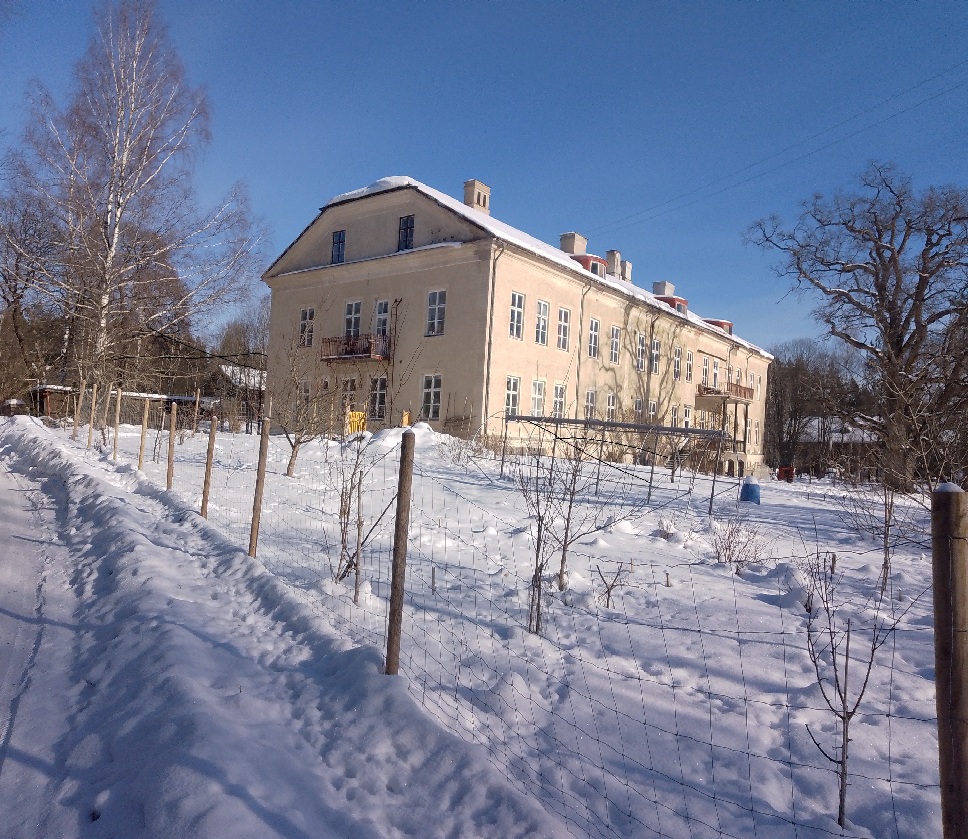
The way there: carpooling from Malmö. We had a full car, it felt good. It’s almost like a bus. I always feel a little guilty when I drive a car. I can smell the exhaust fumes, I know they contribute to global warming. We arrived late, got stuck in the snow on a steep hill, a helpful swede came out of his cabin and pointed us in the right direction.
The first evening there was a presentation of groups, which was a bit too fast. But there were over 20 groups there. What unites them all? Well, hard to say but maybe the view that something is wrong and the will to do something about it. It was everyone from Nödbremsen to skogsupproret to a foodsharing group.
Saturday.
We listened to a talk by Sinam from Climaximo who talked about international struggle. I thought it was very interesting. Sinam challenged us on whether our activism actually contributes to a more sustainable world. They talked about something that had been in the back of my mind for a long time - how can our actions be informed by, and contribute to, the needs of the remaining struggles in the world? Lots of food for thought. I might write a blog just about thoughts generated by this presentation. Maybe it will be after I read their book “All in”.
Saturday was also “skillshares”, i.e. parallel tracks of different sessions. I went to one about mobilization. Johannes from “We Do Democracy” addressed mobilization challenges that different movements have shared. We drew up “Streams to engagement” for our movements. There were many similarities, but two things stood out to me. Not everyone used ringing, but those who did seemed to be the ones who have managed to mobilize on a large scale. The second was the question “what do you do to cultivate new leaders?”
We had a really fun Valentine’s night filled with humor, dancing, and singing. NCJC put a lot of effort into making it “feel fun” and making things look cool. It had an effect, more than I thought. I tend to see climate activism as a “holy calling” and expect (of myself and others) that we “just have to keep the motivation up”. But this clique seemed to realize something about the fact that yes, it actually matters if it all feels taken care of, professional, neat. I think it’s important to show that someone has cared, this becomes an implicit signal throughout that “yes, this is important and worth your time.”
Sunday
Skillshare about burnout
Someone who is a psychologist held a session titled “how to turn activist burnout into activist fuel”. Incredibly valuable. The room was packed, many people recognized themselves. It was about identifying signals from your nervous system that you are in a chronic state of stress, and about individual ways to act on them.
Sharing circle about social media
I joined a session where people who work with SoMe in different movements shared experiences. I raised the issue of collaborations - for example, couldn’t Ta Tillbaka Framtiden make posts where they comment on ÅV’s flight actions and explain why they are good, even if they themselves don’t participate? Apparently there is a word for this, it’s called “amplification”, boosting each other’s posts. It was commented that it can have good effects for both the one being boosted and the one boosting - because if, for example, TTF explained the flight actions, they can gain a lot of ethos, be perceived as credible and sensible. In order to effectively carry out amplification, it is best for the algorithms that others share/interact within the first few minutes after something is posted. So you have to prepare in advance. You can also have agreements between CT’s in different groups, so-called “sharing agreements”, where you write down in advance what is okay to amplify from each other. This way, the SoMe team knows what mandate they have and can act quickly, instead of having to make sure every time whether some content is “okay” to post/like/share.
Strategy workshop
And then there was a session where people who are interested in a larger vision/strategy gathered. There I had a long conversation with an Italian about what is really required for a theory of change to even be able to call itself decent. What goal should the climate justice movement have? What would the criteria need to be to assess such a goal? In that short time we didn’t even have time to express our ideas to each other more than superficially, but his were rooted in politics and ideologies and talked a lot about ecosocialism, while mine were rooted in game theory and physics. It sounds broad - it was. But we both understood (I think) that we always have to ask ourselves if what we do serves the purpose we hope for. We should distinguish between what feels good and what achieves the goals - so as not to become “useful idiots”. When we tried to summarize our conversation for the group, we didn’t succeed at all, it sounded incoherent. That didn’t surprise me, these were difficult topics to summarize. What surprised me was that the group was later uninterested in asking for clarification. Then I felt worried, because I painted the idea to myself that maybe everyone else is just doing activism because they want to “feel cool”, or to feel like they are doing the right thing, i.e. activism for the sake of activism, but that they are only secondarily interested in whether it actually helps anyone in the big picture.
This brings me to a reflection on group belonging and sacred subjects. During a conversation with another participant, ten years younger than me, he expressed that it is difficult to speak in front of a group, because you are worried about what others will think of you. You are afraid of being rejected from the group, this is an ancient instinct, he said. Yes, he is right, and in recent years I have looked at this instinct as an enabler of evil. People continue with their contributions to fossil capitalism because they are afraid of standing out, they prioritize group belonging higher than the realization of the destruction of the planet. I criticize this, as do other climate activists. And at the same time, we are human and have the same tendencies even within our movements, don’t we? Because the questions I asked about whether our goals are rightly set are just as threatening to our identity, as when I tell an industrial manager that new AI initiatives are trampling people’s right to live.
But there is something more here, I think, and that is also the thing about sacred subjects. I can experience something as “sacred” if it takes up an intimate place in my heart. If I think about it with great dedication, if it plays a decisive role for me. These questions are “sacred” questions, as they affect “what should I do with my life” in general. And the crux is that sacred things should be handled with reverence. The wafers must not be dropped on the ground. When you walk past the altar, you kneel. The holiest of all is locked up, put away, set at a distance, and housed in a special room. To approach the sacred, you must prepare yourself, and enter a special space. So, I am still learning that I probably have to handle these questions with a similar reverence. I must not throw them around right and left. Nothing good comes of it. They are very important, yes, but they require the right context. I have to create “sacred spaces” together with others, and we have to prepare ourselves before we enter them, and only then can we decently face the tough questions. How do we do that?
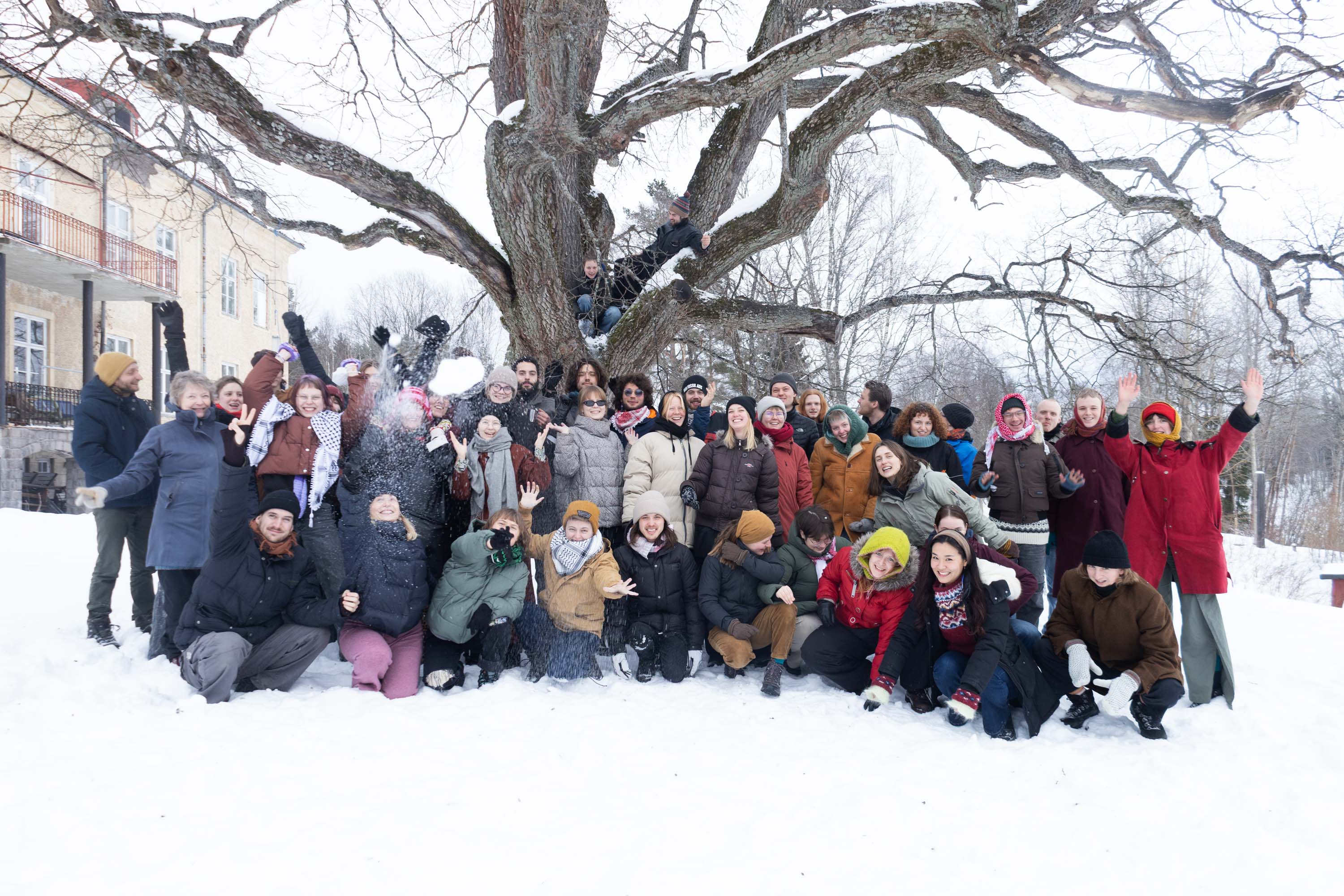
Last but not least, during the weekend we simply had good food, wonderful weather, some got to see the northern lights, and we all enjoyed the magic of Dalarna. Many personal conversations took place, new friendships were made, and my view of many other organizations and people was nuanced and colored in. So I am grateful to the organizers and everyone who contributed for creating the conference, but also for putting together NCJC at large - a real step towards international solidarity.