Nordic Baltic Youth Summit in Helsinki
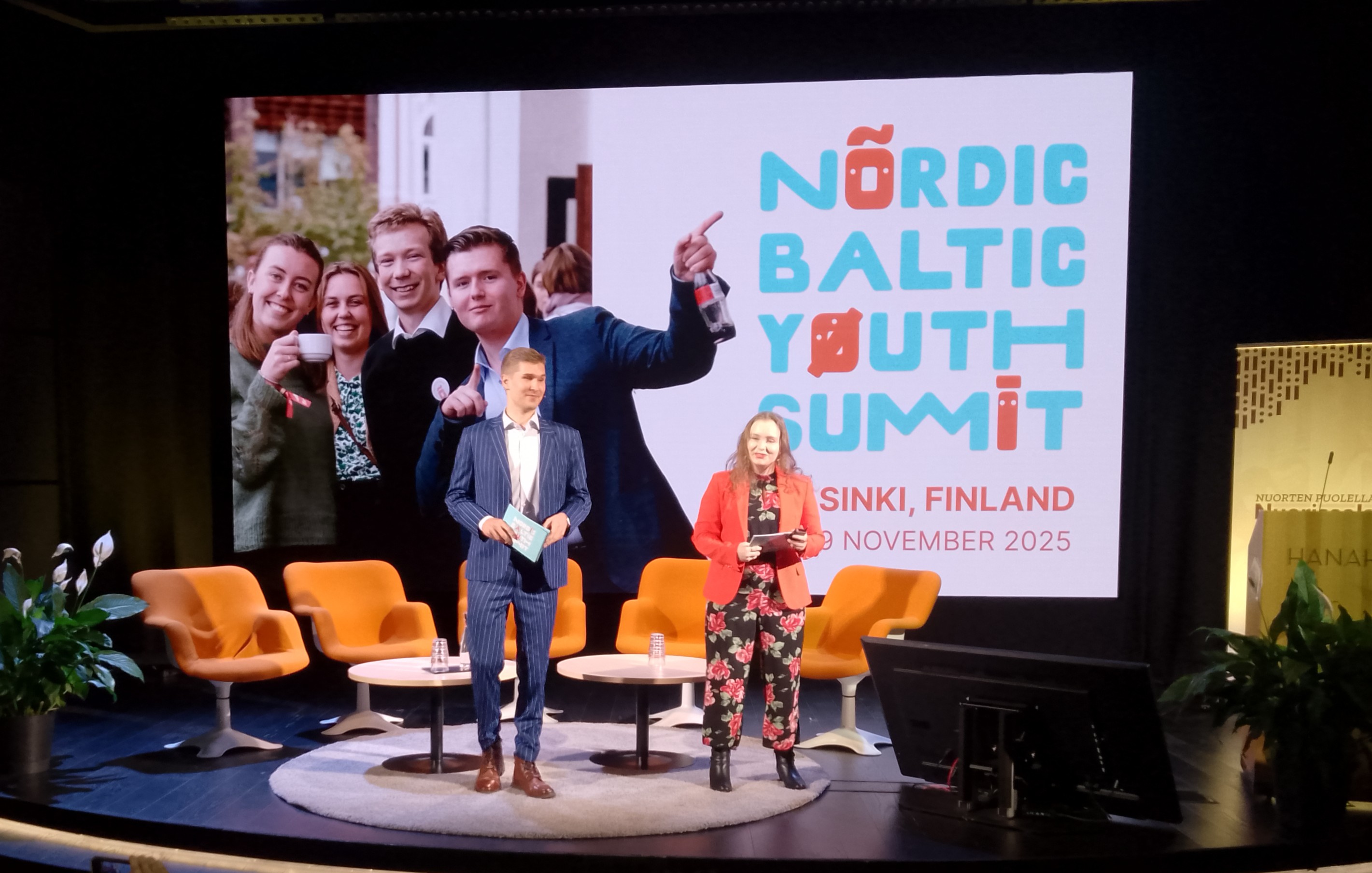
200 young participants from Nordic and Baltic countries. The assignment: to write ten policy recommendations to the Nordic Council of Ministers on the theme of “Climate and Employment” over the weekend. People showed up with their everyday realities: Estonia just beat Spain in unemployment. Lithuania is worried about Belarusian border violations. In Norway, inequality is growing, and young people are looking forward to a darker time than their parents grew up in.
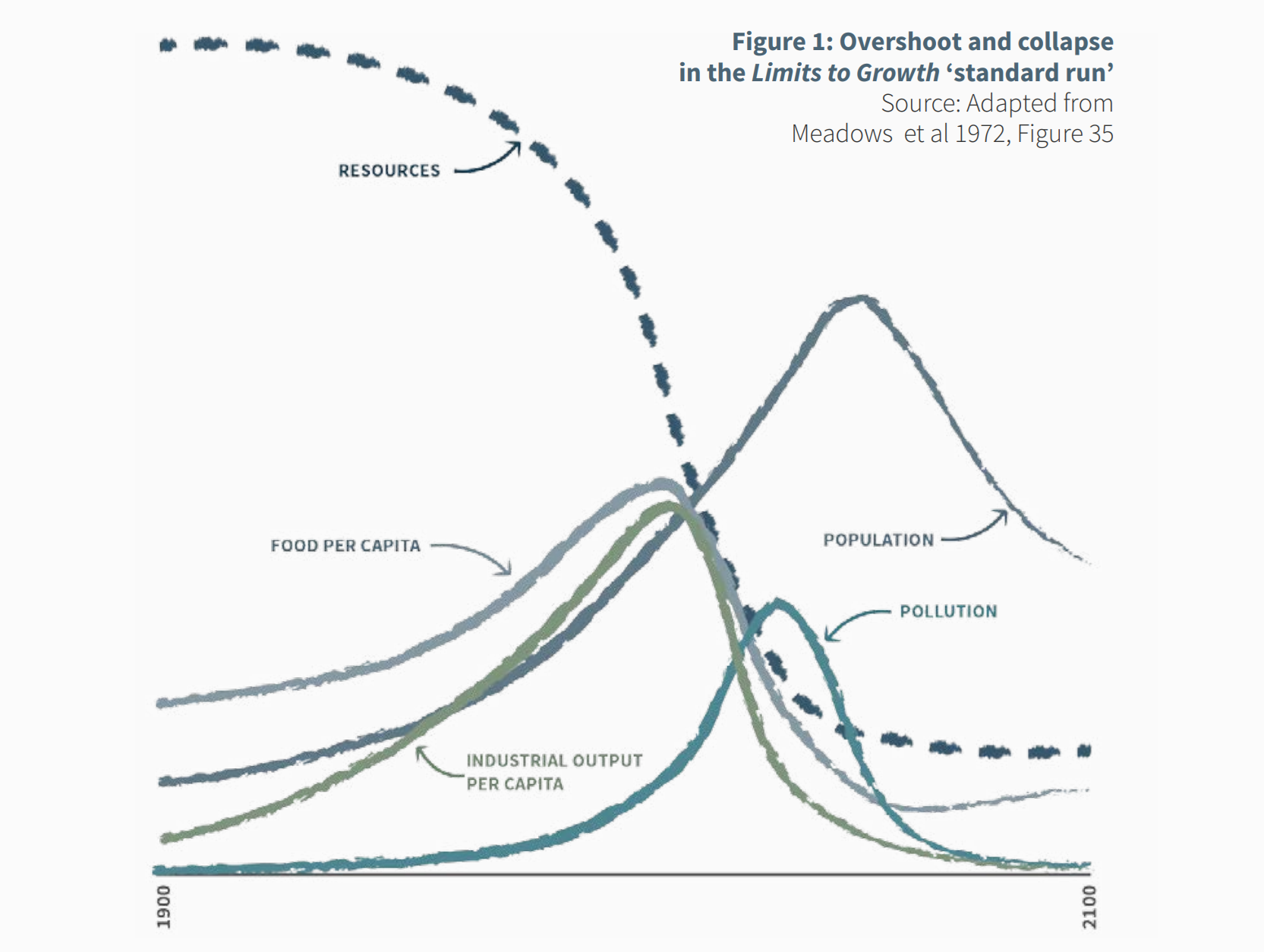
My goal with the trip was to speak clearly about the climate crisis: to convey the message that we risk the collapse of civilization. Because that isn’t how I hear others speak about climate change. I just hear a lot of “sustainable” this, “sustainable” that. Participants were comparing which country has the most “sustainable” projects. As if sustainability was in itself a good that countries could compete for.

I got to give a speech! I used storytelling to introduce the possibility of civilization collapse, and tried to lighten the mood, step in and out of the horror, to help people stay engaged. But I don’t think it was enough. The audience looked so sad, so downcast and turned off at the key moments. Is there a word for this? When the brain censors out messages that are too horrible to take in? I also tried to give actionable tips: three typical lies in greenwashing, two tools for better climate talks. But later everyone seemed to completely ignore my tips and my tools. I don’t know what I expected, but I can only hope that what I said at least sinks in over time.
Click here to see the tips I gave.
-
Three big greenwashing lies:
- Lie 1: New technology will solve the climate crisis by itself.
- Lie 2: Focus on your personal carbon footprint.
- Lie 3: Our country is the best at sustainability.
-
Two tips for more constructive climate conversations:
- Always keep scale in mind.
- Promote the measures that primarily affect the powerful.
To write the policy recommendations, we were assigned themes. I was given “social transition” - how should the green transition be done so that certain groups are not unfairly harmed. We brainstormed, voted on on suggestions, did research, and finally divided ourselves into even smaller groups to work on pitches, which everyone would then vote on. The atmosphere became competitive. I wanted my group’s pitch to win, because I thought it would be the most valuable to get in front of politicians. I practiced the pitch, used all the rhetorical tricks I knew, and even asked an experienced friend for help and feedback. Despite all this, another proposal that I thought had less substance won. I look back on this as an important lesson, that people will largely vote for what appeals to their own most directly experienced problems. But also: I think I let the competition format go to my head. I could have gone to the other groups, we could have tried to be strategic together. Why didn’t I do that?
Click here for more details on the two proposals.
Here is the final proposal I pitched:To ensure a green transition rooted in human rights, equity, and justice, we urge Nordic and Baltic governments to pass parliamentary decisions that incorporate the ICJ Advisory Opinion on Climate Change in its entirety.
The second proposal went:In order to ensure universal access to environmentally friendly transport, we recommend that the Nordic and Baltic governments create and coordinate affordable green transport corridors giving every citizen access to green ways for commuting independent of where they live.
I want everyone to be able to afford to travel. I want even more that everyone can look forward to a secure future, and make it possible to hold states accountable.
I go home with worry in my stomach. War and unemployment were on the participants’ lips. The climate crisis was as if forgotten. Yet the trend in global warming has not changed - it becomes clearer every year. I ask - what can we do to prepare for the collapse of civilization and try to soften the blow, while taking into account problems in the near future?
I would like to thank the volunteers who made this event possible, the staff in all the places we were, and to the Nordic Committee for Children and Young People (NORDBUK) and the Nordic Council of Ministers for sposorship. Regardless of the policy recommendations and my feeling that I didn’t get through, I believe that there is a lot of value in young people from different countries meeting and sharing experiences. And the participants I met in this case were absolutely extraordinary people. I was blown away by countless stories about how people were working for the good of their communities.
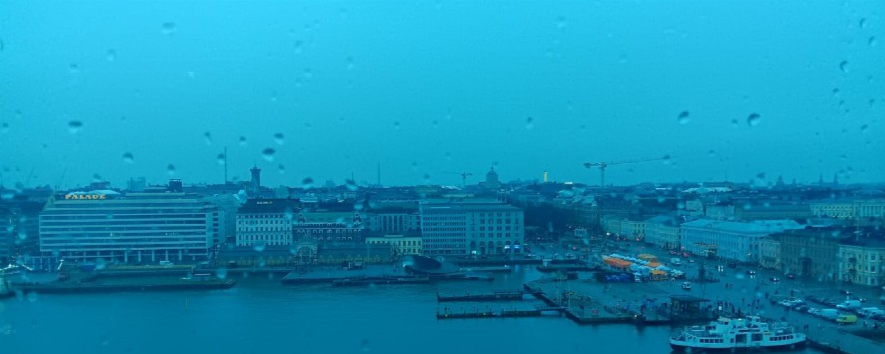 Picture of the Helsinki port by Johnny Hillebäck-Eriksson